US Rural Electric Cooperatives

Some are coming clean, some aren’t. Why you should care.
(Revised 02/24/2025)

The Cooperative Society Newsletter
February 2025, Issue 51
By E.G. Nadeau, Ph.D.

The past and future of rural electric co-ops?

Did you know that there are about 900 rural electric cooperatives in the United States serving 40 million people (over 10% of the US population), including individual households, farms and other businesses? These co-ops own over 40% of all the distribution lines in the country.

A little historical background
Most of urban America was electrified by 1920, but by 1932 only about 10% of rural areas had access to electricity. Utility companies did not see the potential for profitability in rural America because of the long distances between hook-ups. It was only through intense lobbying by groups representing rural America, especially farm organizations, that the federal government approved the Rural Electrification Act in 1936, which provided low-interest, long-term loans to bring electricity to the countryside. Even with these federal incentives, most for-profit utilities chose not to take advantage of them (and, in fact, many of them boycotted the program).

That’s where rural electric cooperatives come into the picture. Community by community, rural residents and organizations rapidly began to sign up and make commitments to form and join new local electric co-ops.

The start-up of each of these co-ops was a eureka moment for the beneficiaries. Many rural residents in the late 30s and the 40s and 50s remembered exactly what they were doing “when the lights came on.”

These co-ops are organized in two main tiers – local distribution co-ops and generation and transmission (G & T) co-ops. Coal has been the primary source of energy for electricity for most of their history.

Two flies in the ointment
In addition to the many benefits of rural electricity, especially for women (washing machines, refrigerators, pumped water for indoor plumbing, etc.), there were also less readily apparent downsides. As is often the case with large organizations or networks of organizations, over the years, RECs gravitated toward centralized decision-making, with the large generation and transmission co-ops (and their political allies) at the top.

Those RECs that were dependent on coal and other fossil fuels for energy also became major greenhouse gas emitters. They and other dirty-energy emitters contributed to the climate change crisis the world is now facing.

Increased centralization and greenhouse gas emissions feed off of each other. Beginning in the early 2000s, a number of REC leaders chose to “fight rather than switch” when it came to their organizations’ fossil fuel dependencies. This resistance came despite the realization in the past decade or so by many distribution co-ops and their members that clean energy sources such as solar, wind, hydro and battery storage generated almost no greenhouse gas emissions and, in most cases, were less expensive than dirty energy sources such as coal, natural gas and oil.

Thus, today’s RECs can be divided into two main camps – clean energy co-ops and fossil fuel co-ops – with a few undecideds in between.

A few examples
My favorite REC is the Kauai Island Utility Cooperative. It is one of the newest additions to the REC family, having bought out its for-profit predecessor in 2002. It currently provides electrical energy from a mix of fossil fuel and clean energy sources. In 2023, almost  60% of its energy came from renewable sources. The Kauai REC is committed to generating 100% of its energy from renewables by 2033.

In contrast, Hawaiian Electric, a for-profit, monopoly utility has a different story to tell. It provides electricity to all of Hawaii’s major islands except Kauai. Despite the advantages of clean energy, Hawaiian Electric has a very weak net zero electrical energy target of 2045. Most of its electricity is fueled by diesel at a cost to the consumer of about $.43 per kilowatt hour. Homegrown solar, wind, and hydropower are about three times cheaper and much cleaner. Hawaii Electric is driven primarily by profit. It has no incentive to switch from expensive diesel fuel to clean energy sources. The company and its shareholders make more money under the current arrangement.

Tri-State Generation and Transmission Association serves about one million customers in parts of Colorado, Montana, Wyoming and New Mexico. It is a good example of a large secondary co-op that recently made the decision to transition from primarily fossil fuel energy to primarily clean energy. Its near-term goals are 50% clean energy in 2025 and 70% in 2030.

Dairyland Power Cooperative – serving parts of Minnesota, Iowa, Illinois and Wisconsin – is a G & T co-op that is in the “undecided” middle. After fighting for years to build a new natural gas plant in northwestern Wisconsin, Dairyland all but abandoned that goal in favor of more clean energy projects. But, thanks to the U.S.’s new steamroller-in-chief, and despite strong local opposition, the plant is being “fast-tracked” for approval.

Basin Electric, the largest G & T in the country, for the most part, still has its head in the sand when it comes to a clean energy transition. Despite having run afoul of the Federal Energy Regulatory Commission in 2024, Basin has just announced that it is planning to build a 1500 megawatt natural (fossil fuel) gas plant in North Dakota, ignoring the strong likelihood that a combined wind, solar and battery storage project would have been far cheaper to build and operate. Under the Trump administration, the co-op probably won’t have to worry about federal pushback on this greenhouse gas-emitting behemoth.

Conclusion
With our recently coronated, “drill, baby, drill” president, the nation’s Rural Electric Cooperatives almost assuredly will not be burdened by stringent federal clean energy oversight. But, as member-controlled cooperatives, they are likely to continue to face opposition to relatively expensive, greenhouse gas-emitting fossil fuel projects from their own members/customers. That would be bottom-up democracy at its best.

This article was revised on 02/24/2025 to reflect new developments with Dairyland Power Cooperative

COP29: Fiddling while the world burns

The Cooperative Society Newsletter
December 2024, Issue 50
By E.G. Nadeau, Ph.D.

  • Azerbaijan a poor choice for the November 2024 UN climate change conference
  • Dominant role by petrostates and the fossil fuel industry in slowing progress on a renewable energy transformation
  • President-elect Donald Trump, China, and Saudi Arabia – three elephants impacting the outcome of the conference
  • Extreme dissatisfaction by poor countries with the amount of financing approved for addressing climate change problems

Incremental responses to a set of world-threatening environmental crises
For the 29th time, UN member countries held a Conference of the Parties (in UN shorthand, a “COP”) to draft policies to address problems associated with global warming, and for the 28th time, little progress was made. COP21, held in Paris in 2015, was the exception, because of the historic agreement achieved at that event to hold “the increase in the global average temperature to well below 2°C above pre-industrial levels” by 2050.

However, scientific projections show that member countries’ dithering, insincere commitments to reducing fossil fuel production and consumption, and cockamamie pseudo-solutions, such as championing fossil gas as a bridge to clean energy and unscalable carbon capture and storage technologies, have made it virtually impossible to achieve that goal by 2050.

Petrostates and fossil fuel companies again block significant progress
As with COP28, held in the United Arab Emirates – an authoritarian petrostate, COP29 was hosted by Azerbaijan – another authoritarian petrostate. In welcoming attendees to this year’s conference, Azerbaijan’s President Ilham Aliyev proclaimed oil and gas as a “gift of God,” a message that flew in the face of what the conference was supposed to be about. Not only that, BBC reported that the chief executive of Azerbaijan’s COP29 team, Elnur Soltanov, was recorded touting Azerbaijan’s attractiveness as a fossil fuel investment – thus turning a conference intended to reduce fossil fuel emissions into a bazaar for increasing them.

Equally troubling, the fossil fuel industry itself appears to be calling many of the shots behind the scenes of these recent annual COP charades. The Guardian reported that “Fossil fuel-linked lobbyists outnumber delegations of almost every country at climate talks in Baku.”

Questionable performance on the top agenda items for the conference
Two of the most important topics at this year’s conference were climate credits and climate finance.

Climate credits are a means for countries and corporations to indirectly reduce their greenhouse gas footprints by paying for initiatives carried out by other entities that reduce emissions, for example carbon sequestration through forest preservation and clean energy development projects. Research has shown that most climate credit projects reduce emissions by far lower amounts than claimed, thus the need for greater accountability for these projects. The conference did reach an agreement on tighter rules for such projects. But the devil is always in the details, and time will tell whether the revised climate credit criteria and monitoring will be effective.

Climate finance, essentially payments by developed countries to developing countries to assist them to carry out clean energy projects and mitigate damages from global warming, was by far the most contentious issue addressed at the conference. And it was not addressed to the satisfaction of most developing countries. A last-minute “compromise,” which was really a “take it or leave it” proposition by the developed countries, was passed at the end of the conference offering far less money than the trillions of dollars needed. As reported by International IDEA, “Some delegations defined the outcome as ‘a joke’ and ‘an insult’, the least developed countries (LDCs) and the Alliance of Small Island States (AOSIS) being the most disappointed.”

The three elephants
Trump, who has consistently promised to pull out of the Paris Agreement in 2025 as he did during his first administration, was not at the conference, but his shadow loomed over it. His frequent climate change denials and the projected absence of US funding for climate action over the next four years put a damper over the conference.

China, the world’s largest greenhouse gas emitter, but also defined as a developing country, was not formally included in the commitment to provide climate financial assistance to other developing countries. But, informally, China positioned itself to replace the United States as the climate action champion of the developing world.

Saudi Arabia played the role of behind-the-scenes spoiler at the conference, undercutting the agreement reached at COP28 to “transition away from fossil fuel.” Largely as a result of its lobbying efforts, the theme of fossil fuel reduction appeared nowhere in the COP29 final documents.

The need for an effective worldwide strategy to take on global warming
BBC published an article summarizing an open letter presented by climate experts to conference participants, stating that, as currently structured, the climate talks “simply cannot deliver the change at exponential speed and scale, which is essential to ensure a safe climate landing for humanity.” The BBC article further reported that “the authors [of the letter] are concerned that the current COP process is not able to make change happen quickly or able to force countries to act.”

Cop30, to be held in Brazil in November 2025, has an ambitious agenda.

Key focus areas for this event will be:

  • Road Transport: Expanding the Global Zero Emissions Vehicles (ZEV) Transition Roadmap to increase ZEV adoption in emerging markets.
  • Power Generation: Tripling renewable power capacity and doubling energy efficiency improvements.
  • Steel and Cement: Defining low and near-zero emissions standards to facilitate adoption within national policies by 2025.
  • Buildings: Launching a Global Framework for Action for Near-Zero Emission and Resilient Buildings (NZERB).

Conclusion
Here’s hoping that UN General Assembly members and the rest of us can begin to achieve the “exponential speed and scale” in Brazil, which appears to have a genuine commitment to rapidly reducing greenhouse gas emissions, a goal that was so clearly lacking in Azerbaijan.

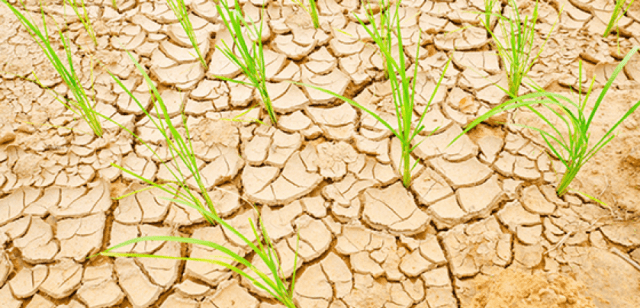
Recent severe droughts in Africa. Ignoring these climate disasters won’t make them go away.

The Cooperative Society Newsletter
August 2024, Issue 48
By E.G. Nadeau, Ph.D.

Editor’s Note: Be sure to check out E.G.’s new book, “The Emerging Cooperative Economy”

People have a tendency to think that if we just pretend a problem isn’t there, voilà, the problem disappears. This magical-thinking approach to “problem-solving” is especially prevalent when the problems are somebody else’s. For many of us, heat waves, torrential rains, rising sea levels, hurricanes, and droughts are somebody else’s problems (including our children’s and grandchildren‘s) and not our own. Therefore, we needn’t worry about them or take actions to solve them.

To illustrate this “out of sight, out of mind” mentality, most of us have no idea that much of Africa south of the Sahara has been experiencing extreme drought conditions since 2020. And why would we? Our “Global North” news media tell us little or nothing about these ecological and humanitarian disasters, despite the fact that they are affecting about 50 countries and 1.25 billion people – approximately 15% of the world’s population.

Southern Africa
According to the US Agency for International Development, “Southern Africa has recorded the most severe drought during the January-to-March [2024] agricultural season in more than 100 years. . . . An estimated 26 to 30 million people are experiencing acute food insecurity throughout the region . . . . Four countries [Malawi, Namibia, Zambia, and Zimbabwe] had declared a state of emergency due to drought as of May.”

The Greater Horn of Africa
The World Health Organization recently stated that the Greater Horn of Africa [Djibouti, Ethiopia, Kenya, Somalia, South Sudan, Sudan and Uganda] “accounts for close to 22% of the global humanitarian caseload in 2024. It is one of the most vulnerable regions to climate change. The historic four-year drought that hit East Africa caused massive suffering. The increase in deadly climate-related disasters together with conflict has driven large displacements and extremely high levels of hunger. 45.9 million people are facing high levels of food insecurity. . . . 10.8 million children under the age of five years are estimated to be facing acute malnutrition.” For comparison, that is more than half of the total number of children under five in the entire United States.

The Sahel (West and Central Africa)
The ten countries of the Sahel region comprise about 5% of the world’s population. Drought conditions in the Sahel are currently less widespread than in eastern and southern Africa. However, the region has a long history of droughts, and many changes in agricultural practices and contingency plans must be implemented to prepare for future disasters related to food insecurity.

Potential ways to ameliorate drought in Africa
Sub-Saharan Africa is not powerless in the face of frequent and widespread food insecurity. The following represent examples of efforts to address this crisis:

  • Emergency food assistance
    The United Nations World Food Programme is “the world’s largest humanitarian organization, saving lives in emergencies and using food assistance to build a pathway to peace, stability and prosperity for people recovering from conflict, disasters and the impact of climate change.” Emergency food aid like this is important but is not a replacement for ongoing efforts to sustain agricultural production in the countries most affected by food shortages.

  • Increased irrigation
    ODI, an independent international think tank, makes a strong case for increasing irrigation in Africa, which “can increase yields and production, protect against yield losses to variable rains, and enable cultivation in dry seasons and of potentially high-value crops that consume more water. Crop yields in sub-Saharan Africa are often compared unfavourably to those seen in Asia. . . . Asia has 30% of its arable land irrigated, compared to 6% or less in sub-Saharan Africa.”
  • Conservation agriculture
    According to the UN’s Food and Agriculture Organization, “Conservation Agriculture (CA) is a farming system that can prevent losses of arable land while regenerating degraded lands. It promotes maintenance of a permanent soil cover, minimum soil disturbance, and diversification of plant species. It enhances biodiversity and natural biological processes above and below the ground surface, which contribute to increased water and nutrient use efficiency and to improved and sustained crop production.”

  • Regenerative agriculture
    The Noble Research Institute defines regenerative agriculture as “a management philosophy that seeks to improve soil health. At its core, regenerative agriculture is the process of restoring degraded soils using practices (e.g., adaptive grazing, no-till planting, no or limited use of pesticides and synthetic fertilizer, etc.).” One way to think of regenerative agriculture is that it applies to animal farming as well as crop agriculture.

  • Agricultural cooperatives
    I have conducted approximately a dozen evaluations of agricultural co-op development projects in sub-Saharan Africa during the past 20 years. Most of these co-ops play an important role in training small-scale farmers in conservation agriculture and other drought-resistant practices. A key benefit of these co-ops is their ability to bring large numbers of farmers together in order to efficiently improve farming techniques and help farmers gain access to agricultural supplies and identify markets for their agricultural products.
Agricultural co-op members in Ghana – E.G. Nadeau

Of course, all of these approaches to reducing the toll of drought and the resulting humanitarian and ecological consequences in sub-Saharan Africa cost money. Multi-lateral aid through the United Nations and other sources, bilateral assistance from countries in the Global North, cooperation among African countries, and philanthropic support are needed to make a positive difference, especially as the negative impacts of global warming continue to mount. Farmers often know effective ways to improve agricultural management techniques and market access. They just don’t have the funds to implement them. For example, the Massachusetts Institute of Technology has a program that provides small cash grants to farmers and others that allows them to make their own investment decisions.

Conclusion
The main problem with magical thinking is that we can only fend off reality for so long. The longer we wait, the more difficult and expensive problems will be to solve, and the more unnecessary suffering and damage to the environment will occur. What’s more, drought in sub-Saharan Africa is only one example of a worldwide set of catastrophes resulting from human-caused global warming. Disastrously, most countries are not acting quickly enough on this broad set of global problems.

As the climate crisis impacts more and more people, it is becoming increasingly difficult—and increasingly perilous—to ignore. A shift in the way we think about community is necessary. We can no longer afford to consider our sheltered enclaves as separate from the plight of others. To understand the effects of climate change in some distant village not as an injury to “them” but as an injury to “us” can at least guide our thinking on how to be responsible members of a global community.

Taking on the most dangerous drug cartel in the world: the fossil fuel industry

The Cooperative Society Newsletter
April 2024, Issue 46
By E.G. Nadeau, Ph.D.

In early March 2024, Darren Woods, chief executive of ExxonMobil, the world’s largest investor-owned oil company, asserted that “‘The world is off track to meet its climate goals and the public is to blame.’ Exxon is among the top contributors to global planet-heating greenhouse gas emissions. But Woods argued that big oil is not primarily responsible for the climate crisis.”

As the article in The Guardian goes on to report, “Experts say Woods’s rhetoric is part of a larger attempt to skirt climate accountability. No new major oil and gas infrastructure can be built if the world is to avoid breaching agreed temperature limits but Exxon, along with other major oil companies currently basking in record profits, is pushing ahead with aggressive fossil-fuel expansion plans.”

‘’‘It’s like a drug lord blaming everyone but himself for drug problems,’ said Gernot Wagner, a climate economist at Columbia business school.’” (Quoted from the same article.)

In a similar vein to Woods’s comments, Amin H. Nasser, the CEO of Saudi Aramco, the world’s largest oil and natural gas company, recently labeled the phaseout of fossil fuels as a “fantasy.”

The source of 80% of CO2 emissions
To underscore what the real fantasyland is, one needs only to look at the recent headline-grabbing Carbon Majors Database Launch Report, page 31, published in April 2024. One of the most startling statistics in the report is that ”57 fossil fuel and cement producers [are] linked to 80% of global fossil CO2 emissions since the Paris Agreement” signed by 196 Parties at the UN Climate Change Conference in 2015. In other words, the world’s fossil fuel emissions could be radically reduced by changing the behavior of a few dozen companies.

Why aren’t we able to swiftly ameliorate the climate crisis? The basic answer is that the world’s economic problem-solving model is broken. We are deferring to those most responsible for global warming and other world problems – large for-profit corporations, powerful governments, and their enabling political and economic elites – to solve the very problems that they are responsible for creating and perpetuating. Wagner’s reference to drug lords is a very apt analogy.

So, we need a new paradigm, one based on putting the well-being of the many ahead of the profits and power of the few.

Supply and demand
In a December 2023 article I outlined one strategy for outmaneuvering the fossil fuel industry: reducing the demand for their products by continuing to reduce the relative cost of clean energy compared to dirty energy. As I wrote, “Basic economics tells us that no matter how much fossil fuel companies can produce, they won’t be able to sell their products if they are not competitive in the marketplace. In other words, dirty energy companies can control supply of their products, but they can’t control demand for them. As demand dries up, the market for oil, gas, and coal disappears.”

I cited the example of the European Union as employing such a demand-side strategy that puts its 27 member countries on track for net zero carbon emissions by 2050. A key part of the strategy is an Emissions Trading System that transitions EU companies from fossil fuels to clean energy such as solar, wind, and geothermal energy. A second component, as summarized by the European Commission, is to use a “Carbon Border Adjustment Mechanism (CBAM) . . . to put a fair price on the carbon emitted during the production of carbon intensive goods that are entering the EU, and to encourage cleaner industrial production in non-EU countries.” 

Expanding the EU’s initiative
But the EU cannot fight this battle alone. The world needs a Carbon Reduction Initiative II – a broad, international coalition of countries that would accelerate their pace of change toward an increased use of clean energy. Coalition members could impose a tax on carbon emissions generated by domestic companies similar to the EU’s cap and trade system, and a border adjustment mechanism applied to the importation of carbon-intensive goods. If the United States, the United Kingdom, Australia, Japan, South Korea, and dozens of other countries were to enact such carbon taxes on domestically produced and imported goods, China, India, Russia, and other major oil-, gas-, and coal-producing states and companies would be far more inclined to abandon their dirty energy ways.

There are a range of other components to this demand-side strategy favoring clean energy over dirty energy. Clean energy is less expensive (and on course to being even more economical in the decades ahead). It’s also a far less risky long-term investment for companies and countries that are likely to face stranded assets when the value of their fossil fuel energy reserves decreases as demand drops off. The longer these countries and companies wait to join the clean energy bandwagon, the more expensive their energy transitions will be.

Clean energy also doesn’t pose the health risks of fossil fuels such as polluted communities; accidents arising from production, distribution, and industrial applications; and environmentally ravaged landscapes.

Legal challenges against fossil fuel companies are also on the rise within countries and in international courts. These costly challenges are based on the environmental degradation, overvaluation, and lies that fossil fuel companies have spread about the “benefits” of their products.

In summary, we are already beginning to break our addiction to fossil fuels as the world’s primary sources of energy. We can accelerate this recovery through concerted efforts to rapidly reduce demand for fossil fuels among most of the world’s countries.

Islands and Renewable Energy:

The good, the bad, and the somewhere-in-between

Far too many islands are not taking advantage of their renewable energy resources

The Cooperative Society Newsletter
February 2024, Issue 45
By E.G. Nadeau, Ph.D.

As I began writing this article, I was sitting at a dining room table at the Vaoto Lodge on Ofu Island (population 200) in American Samoa. American Samoa is the southernmost territory of the United States. It has a total population of about 70,000, and is near the middle of the Pacific Ocean about 15° south of the equator.

There is a U.S. National Park here that spans parts of four islands. The islands are a combination of steep jungle-covered mountains, beautiful sand beaches, and reefs with patches of vibrant living coral and colorful fish, along with cemeteries of bleached dead coral that look like underwater ghost towns – mostly thanks to global warming.

I was there with my two sons, Luc and Isaac. We were on vacation, but we were also there to learn about the islands’ people and environment.

Powering the islands
I’m particularly interested in how the islands’ inhabitants have or have not replaced fossil fuel sources of energy with clean energy, especially solar and battery storage. A few miles to the east of Ofu, the island of Ta’u has 100% clean electricity due to a solar panel array and a battery storage system. Or so I thought. According to local sources, the system is currently meeting about 80% of the island’s electricity needs, due to some glitches that are in the process of being remedied.

There was a similar solar+battery system on Ofu until a few years ago, when the battery storage unit burned to the ground. After lengthy haggling with the insurer of the system, it is about to get repaired. In the meantime, most of the island’s electrical energy has reverted to very dirty and expensive diesel fuel.

Tutu’ila, where most American Samoans live, depends on diesel fuel for the majority of its electricity. When one walks around the island, the unhealthy smell of diesel fumes is pervasive. As a whole, the territory’s goal for 100% clean energy electrification is 2045 – an incredibly unambitious goal considering the financial and health costs of diesel, and the abundant availability of solar and wind energy. A transformation that could happen in the next few years is planned to take more than 20.

The nearby island country of Samoa (if you’re interested, look up the reason why there is a U.S. territory right next to a nation with the same name) appears to be far ahead of its neighbor on the clean energy front, with the goal of achieving 100% clean electrical energy by next year.

Slow-walking
American Samoa is not the only island territory or nation that is slow-walking toward net zero energy. Despite all the negatives of fossil fuel for island energy, and the abundance of far less expensive, renewable energy resources, many of the 200,000 or so ocean islands around the world, comprising about 7% of the earth’s land surface and about 9% of its population, are in similar carbon-emitting boats. This, despite the increasing vulnerability of many of them due to rising ocean levels, hurricanes, tsunamis, and flooding, resulting from human-made global warming.

Here are a few more – bad and good – examples of approaches being taken by other island communities to clean up their sources of energy:

Examples of other approaches
Hawaii.
To get to American Samoa from the mainland United States, one has to fly to Honolulu, take a left turn, and fly about another 5 ½ hours south. Hawaiian Electric Company is a monopoly utility providing electricity to all of Hawaii’s major islands except Kauai. Despite all the advantages of clean energy cited above, Hawaiian Electric has the same astoundingly weak net zero electrical energy goal of 2045 as American Samoa. Electricity fueled by diesel in Hawaii currently costs about $.43 per kilowatt hour. Homegrown solar, wind, and hydropower is about three times cheaper and much cleaner. So, go figure.

The beautiful Hawaiian island of Kauai has a different story to tell. The Kauai Island Utility Cooperative, owned by the island’s residents and businesses, bought out the previous, for-profit utility in 2002. Since then, it has been gradually transforming Kauai’s electrical energy system to solar, wind, hydropower, and increased energy storage. The co-op is shooting for 100% percent renewable energy by 2033, 12 years ahead of the state’s goal.

Puerto Rico. Shifting our attention to a U.S. territory in the Caribbean Sea, Puerto Rico was devastated by a direct hit from Hurricane Maria in September 2017, which knocked out much of the island’s power for almost a year. Six-and-a-half years later, the island is still 97% dependent on diesel fuel for its electrical energy. Puerto Rico had the opportunity after the hurricane to make its electricity much less vulnerable to the devastation of tropical storms by decentralizing it into interconnected, multiple smaller grids powered by solar, wind, water, and battery storage. Instead, Puerto Rico – with the support of its U.S. government enablers – sold the island’s power grid to a consortium of U.S. and Canadian companies – that made the jaw-dropping, but not unexpected, decision to rebuild a highly vulnerable, centralized grid similar to the one that was devastated in 2017.

We don’t have the time or space for another 190-some thousand stories, but you get the idea.

The Alliance of Small Island States and its supporters in the United Nations and elsewhere are doing their best to replace unsustainable fossil fuel energy in island communities with local clean energy. The future of these islands and our planet depends on it. The country of Samoa is a clean energy leader in this group of small islands. The U.S. territory of American Samoa unfortunately is not. My sons and I loved the people and the beauty of the territory but could have done without the diesel smog.

Following COP28, does the world now have an agreement to end fossil fuel use?

No way!

The Cooperative Society Newsletter
November/December 2023, Issue 44
By E.G. Nadeau, Ph.D

In early December, most of the countries of the world wrangled with Saudi Arabia and other petrostates at COP28 – the recent climate change conference in Dubai – over whether there should be an explicit reference to a phaseout of fossil fuels in the conference’s final agreement. The debate went far into overtime, and the pro-phaseout advocates appear to have won the battle.

But don’t believe it! This is a Swiss-cheese, non-binding agreement that “Dirty Energy” will find plenty of ways to subvert.

Image generated by Dall-E

Despite the many loopholes, there is hope for a genuine phaseout of the vast majority of fossil fuels by 2050. It won’t happen by trusting the goodwill of the fossil fuel-producing companies and their allies but, instead, by reducing the demand for these fuels as quickly as possible.

How do we reduce demand?
The short answer is by continuing to reduce the relative cost of clean energy versus dirty energy. We need to accelerate the deployment of clean energy in both the Global North and the Global South, rapidly increase energy efficiency, make trillions of dollars available for the expansion of clean energy resources, provide support to energy-poor and vulnerable countries to cope with the harmful effects of climate change, and end subsidies to the producers and distributors of dirty fuels.

Basic economics tells us that no matter how much fossil fuel companies can produce, they won’t be able to sell their products if they are not competitive in the marketplace. In other words, dirty energy companies can control supply of their products, but they can’t control demand for them. As demand dries up, the market for oil, gas, and coal disappears.

A lot of hot air but not enough action.

Examples
Let’s dig a little deeper into this demand-side strategy for phasing out dirty energy. The best place to start is with a couple of good examples. In 2023, the European Union enacted “Fit for 55” as a package of programs to accelerate the EU’s reduction of carbon emissions – with the goals of achieving a 55% reduction of emissions in 2030 compared to those in 1990, and net zero carbon emissions by 2050. The main components of Fit for 55 are:

  • An emissions trading system (ETS) that gradually increases the cost of carbon emissions by both domestic “operators” and by companies wanting to export goods to EU member countries
  • The addition of several new target emitters to those already subject to the ETS, including shipping, aviation, road transport, and energy-inefficient buildings
  • Clear, measurable goals and increasingly severe consequences over time for operators failing to meet the goals that are built into the system
  • Periodic updating of the implementation strategy based on changing conditions
  • A carbon border adjustment mechanism that effectively imposes carbon taxes on companies operating outside the EU that market their products to the EU. These carbon taxes protect EU-based companies from unfair competition.

In summary, this strategy is a straightforward, clearly understandable means to reduce fossil fuel use and greenhouse gas emissions in order to achieve the 2030 and 2050 Paris Agreement goals.

Thirteen states in the United States provide a second set of examples of demand-side programs to reduce fossil fuel use. Like the European Union, these states also use carbon-pricing mechanisms to ratchet down fossil fuel use by utilities and other companies. What makes this a big deal is that these states have a significant presence in the world economy. If California were a country, it would have the fifth largest economy in the world.

This demand-side approach could be enlarged dramatically in the next few years, especially if funds were available to developing countries to accelerate their clean energy growth. After all, the large, developed countries in the world caused the current climate crisis through their profligate use of fossil fuels, especially during the last century. And yet, developing countries are suffering the main consequences of this profligacy in the form of droughts, starvation, floods, excessive heat, and other climate-related disasters. Countries in the Global North have a responsibility to provide technical and financial support to these developing countries. Such aid would be part of a broader strategy to reduce worldwide carbon emissions and global warming.

As reported by a UN press release, “The United Nations Climate Change conference, COP28, has concluded with a historic agreement to transition away from fossil fuels, triple renewable energy and increase climate finance for the most vulnerable.”

We have the potential to make this agreement more than just a set of vague promises, especially through concerted efforts to increase the use of clean energy and to rapidly reduce demand for fossil fuels. This demand-side strategy can make a dramatic difference by 2030 despite the disingenuous actions of Dirty Energy to continue the world’s dependency on fossil fuels for as long as possible.

A neglected source of clean energy

The Cooperative Society Newsletter
September 2023, Issue 43
By E. G. Nadeau
  

From rural Uganda to Madison, Wisconsin, renewable natural gas (RNG) is an important source of clean energy that also has other major environmental benefits.

What is RNG? It’s a gas derived from organic waste material such as livestock manure, food waste, garden and lawn clippings, and other animal and plant-based material. It is often concentrated on farms, in landfills, and in waste treatment facilities.

The big difference between “natural gas” and renewable natural gas is that the former is a fossil fuel and the latter is a clean energy resource derived from current waste products.

I first encountered the use of renewable natural gas as a clean energy resource when I was doing a research project on dairy cooperatives in Uganda in 2006. I met a middle-aged widow who was raising two daughters from the proceeds of a two- or three-cow dairy farm. She sold the milk to her local co-op and used the cow manure to produce biogas. She had learned a simple technique from a dairy co-op advisor on how to build a small manure digester and to pipe the gas into her house. The biogas provided the energy for two small lamps and a gas cooking stove. She was able to pay the school fees for her daughters from the sale of milk and to provide lighting for them to study in the evenings.

Photo by E.G. Nadeau

Biogas and its more purified product, renewable natural gas (RNG), can be generated by an anaerobic digester that can be as simple as the one used by the Ugandan dairy farmer or it can be a multi-million-dollar processing facility.

Renewable natural gas is a valuable environmental resource not only in communities in developing countries but those in developed countries as well, including Madison Wisconsin, where I live.

The difference between so-called “natural gas” and renewable natural gas
Many people have the misconception that “natural gas” is a clean fossil fuel. In fact, it’s a dirty, nonrenewable source of energy. Natural gas is made up of almost 90% methane, a potent greenhouse gas, and is a major contributor to global warming. Natural gas produces slightly more than half as much carbon dioxide as coal when it is combusted, but it is prone to leak significant amounts of methane into the atmosphere at the wellhead, during its distribution, and at the point of combustion. Some scientists have concluded that because of this leakage, natural gas may be just as bad for global warming as coal.

Renewable natural gas, in contrast, is carbon neutral because it is derived from an ongoing recycling of plant and animal products. It also has the benefit of reducing methane emissions from landfills, livestock, food scraps, and other degradable waste products.

According to the American Biogas Council, there is a cornucopia of benefits from RNG and other biomass processing. “Biogas systems protect our air, water, and soil by recycling organic waste into renewable energy and soil products, while reducing GHG emissions.

“In the U.S., there is an urgent need to manage the millions of tons of food, water and animal waste. The main benefits of biogas systems come from the fact that they are recycling all this material while also producing renewable energy and soil products which displace fossil fuels.

“When you put these and other benefits together, we can prevent tons of carbon emissions from entering our air, prevent nutrients from entering our waterways, create healthier soils with natural, non-fossil fuel-based fertilizers, and produce reliable, baseload renewable energy.”

The American Biogas Council identifies substantial growth opportunities for these biogas-related benefits. In the United States alone, the Council projects that more than 15,000 new biogas systems could be developed. Worldwide, there is massive potential for these systems.

A cluster of anaerobic digesters process organic waste to become renewable natural gas.

Following are two brief examples of biogas and RNG use

East Africa

In East Africa (including Uganda), farmers and local communities are turning organic waste into biogas for cooking, lighting, and other household uses, while at the same time reducing carbon dioxide and methane emissions.

Since the vast majority of households in developing countries use dirty and unhealthy fuels such as bottled natural gas or scarce resources such as wood or charcoal for cooking and heating, biogas is an excellent clean energy alternative.

Madison, Wisconsin, USA

My favorite thing about living in Madison is the chain of lakes that runs through the city and the surrounding countryside. This beautiful resource, however, is not what it used to be. Seventy years ago, the lakes were crystal clear – excellent for swimming, boating, and picnicking along the shorelines. Today, the lakes are plagued with weeds and periodic blooms of blue-green algae that are toxic to humans and animals. On several summer days each year, the lakes stink because of the decaying vegetation.

The primary cause of this deterioration of the lakes‘ quality? Phosphorus runoff from the increasingly large nearby dairy farms that provide nutrients for the weeds and algae. In the past few decades, far more phosphorus has been imported to the Madison-area watershed in the form of chemical fertilizers and animal feed than has been exported from it as dairy, meat, and grain products. Thus, the mess the lakes are in today.

Madison, Wisconsin, is situated on a chain of lakes that runs through the city and the surrounding countryside.

What does this lake problem have to do with renewable natural gas? Anaerobic digesters can radically reduce the amount of phosphorus runoff as well as the amount of methane generated by cow manure, landfills, and other sources of waste.

In fact, for the first time in the past seven decades or so, the Madison-area watershed is on the verge of exporting more phosphorus per year than it imports because of two recently installed manure digesters and one planned for 2024 or 2025, all of which will not only extract RNG from manure, but also remove harmful chemicals such as phosphorus. The long-term result will be increasingly clear lakes as well as the reduction of harmful methane emissions into the atmosphere.

The county landfill also has a new state-of-the-art processing facility that converts methane from landfills into RNG. The facility inserts this renewable gas – and that generated by manure digesters and other sources – into natural gas pipelines which allow the clean energy fuel to be used locally as well as transported to other parts of the country.

Conclusion

Renewable natural gas needs to become a better-understood and more frequently utilized resource for creating a clean energy future on small dairy farms in Uganda as well as in metropolitan areas in the United States and other countries.

Solar panels and agriculture can be best buds

The Cooperative Society Newsletter
July 2023, Issue 42
By E. G. Nadeau
 

The word agrivoltaics, defined as “the use of land for both agriculture and solar photovoltaic energy generation,” was coined in 1981, but it has not become a significant area of research and development until the past few years. This is a brief article about how agrivoltaics can be a boon to both clean energy production and farming.  

NREL, the National Renewable Energy Laboratory in the United States, has been assisting a number of agrivoltaic experiments since 2020. Some examples of solar farming are presented below.  

  • Jack’s Solar Garden is researching a diverse array of crops under solar panels in Colorado.
  • BlueWave Solar is combining solar panels with blueberry farming in Maine.
  • Pine Gate Renewables and other organizations are experimenting with elevated solar panels above cranberry bogs in Massachusetts.
  • Silicon Ranch is partnering with White Oak Pastures to graze several thousand head of sheep in combination with solar panels in Georgia, Tennessee, and Missouri.
  • Bare Honey is locating honeybee hives near solar panels that provide shade for pollinator-friendly plants on farms in Minnesota.

Agrivoltaics is taking off in other countries

  • Researchers in South Korea are successfully growing broccoli underneath solar panels.
  • A large solar power installation on salt flats in China is serving a triple function of facilitating salt farming, growing shrimp, and generating electricity.
  • A Kenyan project is using shade from solar panels to shelter vegetables from heat stress and water loss.

To put it simply: Solar panels produce clean energy; reduce the cost of electrical energy; reduce global warming; provide lease income to farmers, who in turn spend money in their local communities; generate jobs; provide shade that many crops and livestock need to thrive; are more efficient when they don’t get too hot; increase carbon sequestration; and can be configured in a variety of ways to accommodate different agricultural products.  

What’s the combined result? Something in the range of a win-win-win-win-win-win-win-win.  

Controversy
With all of these benefits, why all the controversy about solar arrays on farms? One source of opposition is that some neighbors don’t like the looks of a large expanse of solar panels. Whether a field of solar panels is ugly or beautiful is in the eyes of the beholder. No matter what the potential benefits are, some local community residents are likely to express concern about the NIMBY (not in my backyard) problem.  

One genuine problem that some solar arrays cause is that they reduce the amount of productive agricultural land. This article makes the case that more and more solar arrays are being constructed in ways that complement and, in some cases, improve agriculture, rather than harm it.  

By some estimates, solar panels may need to be located on 1% of the land area in the United States and other countries. Some panels may be on rooftops or on land surfaces that are not agricultural, but there is no question that many of the solar arrays will need to be located on farmland. Thus, it is critically important to develop a range of strategies in which such arrays and farming are mutually beneficial.  

We also shouldn’t forget that much farmland is currently not being used sustainably. For example, in the state of Wisconsin alone, a million acres of corn are used for the production of ethanol, a “renewable” energy use that is considered by many to be highly inefficient in, if not detrimental to, combating global warming. Agrivoltaics can play a very constructive role in reducing this kind of wasteful production and replacing it with more sustainable agricultural uses.  

Let’s dig a little deeper into the list of ”wins” cited above

Solar panels produce clean energy.
No need to make a case for this. It’s not a subject of much debate.

They reduce the cost of electrical energy.
The cost of solar electricity has dropped dramatically during the past decade or so, and is on track to keep dropping. Solar is the least expensive of all sources of electricity.  

They reduce global warming.
Because solar panels do not emit carbon dioxide or other greenhouse gases, they meet our electricity needs without raising the world’s temperature.  

They provide lease income to farmers.
“Farming the sun” can be a lucrative source of income for many small- and medium-size farms, sometimes making the difference between staying on the land or selling out. Those farmers, in turn, spend some of this money in their local communities.    

They generate jobs.
There are over a quarter-of-a-million solar jobs in the United States. Constructing solar arrays requires a significant amount of labor. Even though the labor for each array is not huge, the anticipated growth of these arrays over the next several decades will keep hundreds of thousands of people employed in the United States alone.  

They provide shade that benefits crops and livestock.
Sheep, goats, cattle, and other livestock can benefit from the cooling effects of taking a break under a solar panel. In the case of cattle, the poles supporting the panels must be built strongly, because cows enjoy rubbing up against them. Many crops benefit from the shade provided by solar panels, especially on farms located in hot, dry areas.  

Solar panels are more efficient when they don’t get too hot.
Crops can help to cool them by generating water evaporation, reducing heat reflection, and letting more air pass under the panels (because they are mounted higher on cropland than on non-crop surfaces).  

Some crops sequester carbon.
Some crops, especially perennial grasses, are excellent at sequestering carbon both above and below ground. Grasses grow very well under solar panels. A recent article by All Native Seed, LLC, put it this way: “While trees have long been used for carbon sequestration, native grasses . . .  are increasing in popularity for this purpose along with other benefits. Grasses like switchgrass and Miscanthus have deep, complex root systems that are ideal for storing carbon in the soil. Their root structures also help stabilize the soil, increase moisture levels, and retain nutrients. . . . Finally, grasses . . . establish in 1-3 years so maximum carbon sequestration is realized much sooner than with trees.”  

Custom-designed solar panels.
Solar panels can be custom-designed to address different kinds of agriculture. Solar panels can be installed at different heights and in different configurations so that livestock and agricultural equipment can pass underneath them, and crops can be planted and harvested efficiently.  

Conclusion
As the use of solar panels on agricultural land increases in the future, the two forms of gathering energy from the sun will become more and more mutually beneficial. We are in the very early stages of figuring out the best ways to make this happen.            

The world as we know it is about to disappear

The Cooperative Society Newsletter
May 2023, Issue 41
By E. G. Nadeau

We are beginning to experience four convergent crises: a high level of xenophobia, divergent population trends, a rising world temperature, and massive waves of migration.

How can we avoid a catastrophic collision of these crises?

First, let’s review the convergence of these problems.

Xenophobia – fear of strangers – has been around from the beginning of our species about 300,000 years ago. There were only a small number of dispersed groups of us back then, so occasional clashes among these groups weren’t a big deal. Now the world population is approximately 8 billion and still growing. One prominent source projects a peak of almost 10 billion in 2064, declining to a little fewer than 9 billion by 2100.

These projections are actually good news. For the first time, since the early years of our species, our numbers will begin to decrease in this century, thus putting less pressure on our planet’s resources and our competition for survival.

There is, however, a disturbing side to the population story. Wealthier parts of the world are projected to grow and decline at different rates from poorer regions. For example, Nigeria is expected to increase from about 215 million people to about 790 million by 2100 and become the third-largest country in the world. On the other end of the spectrum, Japan’s population is projected to decrease by 50%, from about 126 million to a little under 60 million by 2100.

The poorest countries in Africa, Asia, and Oceania will grow much faster than more developed countries in the next several decades.

As the world temperature continues to increase, so will extreme weather-related events: droughts, floods, heat waves, wildfires, rising ocean levels, and many others. Similar to population change, the severity of these events will vary widely in different parts of the world.

Tropical and subtropical areas will be the worst hit, resulting in an estimated 1.2 billion people seeking more habitable environments by 2050.

Thus, those who live in poor countries in the tropics and subtropics will experience the double whammy of rapidly increasing populations and rapidly decreasing livability in the next several decades. Where will they want to migrate? To wealthier countries in temperate climates, especially North America, Europe, Australia, New Zealand, and less climate-stressed parts of Asia.

What will people face when they attempt to reach these destinations? In the early 2020s they face multiple barriers, many fueled by xenophobia, others by bureaucratic red tape, and yet others by a Babel of inconsistent migration policies from country to country.

Overcoming barriers to migration
Xenophobia is probably the most difficult to overcome. But it is not insurmountable.

Individual phobias, such as fear of spiders and fear of flying, are treatable – psychological conditions that can be significantly lessened through gradual exposure to the feared object or activity.

A similar approach can be used to treat xenophobia (and other group-level fears and hatreds, such as homophobia, misogyny, and an array of “isms,” including racism, antisemitism, and ethnocentrism).

For example, after the war in Vietnam, the United States resettled more than 1.1 million Southeast Asians, the largest single group of immigrants in American history. An important key to this mostly successful resettlement was the fact that these immigrants were dispersed across the country. Because communities received relatively small numbers of immigrants, this is an example of applying “exposure treatment” to a potentially xenophobic pushback. This approach was not without its adjustment problems, but the second and third generations from this group have, for the most part, been well-accepted by other Americans.

A little over 1 million immigrants is peanuts compared to the projected influx of over 1 billion people to temperate countries in the coming decades. But the example still provides some valuable lessons.

Addressing bureaucratic barriers and lack of coordination among countries would require a political will to establish a systematic approach to immigration within and among developed countries.

Over 8 million refugees, fleeing from Russia’s invasion of Ukraine, have been – at least temporarily – absorbed into other European countries during the past year or so. This tremendous accomplishment shows that bureaucratic and xenophobic barriers to immigration can be overcome in a geopolitical crisis. The question remains: Can this kind of cooperation on migration policy be established proactively to address the upcoming waves of mass migration from poor, climate-battered countries?

The other side of the migration question is: What can countries in tropical and subtropical areas, and international bodies, do to reduce the number of climate and population emigrants? Several things:

  • Improve reproductive education and access to contraceptives
  • Develop means to counter climate-induced causes of emigration, such as drought-resistant crops and farming techniques, afforestation and reforestation, community solar arrays that, among other things, provide air-conditioning to reduce the deadly impact of excessive heat, flood barriers, and depopulation of flood-prone areas
  • Relocate people to more habitable areas within tropical and subtropical zones
  • Desalinate and purify water resources
  • Establish educational programs that fit future employment needs at home as well as in countries that are potential destinations for immigration

Conclusion
An important point to remember is that many developed countries are facing, and will continue to face, declines in their working-age populations. This workforce depletion will vary from country to country and will involve both low- and high-skill job opportunities for immigrants. The level of xenophobia also varies from country to country. But in the face of deteriorating domestic economies resulting from a shortage of workers, some of the more racist countries in the world may become more amenable to increasing the number of immigrant workers.

In summary, multiple world crises are unfolding, but none are insurmountable. We’ve done a poor job in addressing the problems of climate change so far. Here’s hoping that world leaders and everyday people can get their act together soon to avert a catastrophic convergence of xenophobia, population problems, an overheated planet, and massive migration in the coming decades.

We’re about to lose the war on global warming. What do we do next?

The Cooperative Society Newsletter
March 2023, Issue 40
by E.G. Nadeau
, Ph.D., and Luc Nadeau, M.S.

What’s the war referred to in the title of this article?

Winning the war on global warming would require achieving the major goals adopted by 196 countries and regional entities in the Paris Agreement of 2015:

. . . to hold the increase in the global average temperature to well below 2°C above pre-industrial levels and to pursue efforts to limit the temperature increase to 1.5°C above pre-industrial levels…. To limit global warming to 1.5°C, greenhouse gas [GHG] emissions must peak before 2025 at the latest and decline 43% by 2030.

The current status of this “war”

On our present course, we are set to blow by the 1.5°C goal sometime in the early to mid-2030s. As António Guterres, Secretary General of the United Nations, said to a group of world leaders in September 2022, the 1.5ºC goal is “on life support.” The problem is getting worse, not better. Mr. Guterres told the leaders that although emissions must be cut almost in half before 2030 to achieve Paris Agreement goals, they are on track to rise by 14 percent. He added that: “We are sleepwalking to climate catastrophe.”

A working group comprising dozens of authors from around the world presented an initial report to the Intergovernmental Panel on Climate Change in 2021. The group projected several scenarios for global temperature in 2081–2100. “Compared to 1850–1900, global surface temperature averaged over 2081–2100 [in] the intermediate GHG emissions scenario . . . by 3.3°C [5.9°F] to 5.7°C [10.3°F]. “The last time global surface temperature was sustained at or above 2.5°C higher than 1850–1900 was over 3 million years ago.”

Synthesis Report, summarizing the results of three working groups during the past several years, was published by the International Panel on Climate Change (IPCC) on March 20, 2023. 

Hoesung Lee, the Chair of IPCC, made the following comment on the report: “[It] underscores the urgency of taking more ambitious action and shows that, if we act now, we can still secure a livable sustainable future for all.” 

Unfortunately, aside from exhortation and a listing of things we should do to combat climate change, the report provides little guidance on how to increase the compliance of countries and companies in reducing GHG emissions.

So, yes. We are losing the climate change war.

A world in denial

As the above information indicates, even with drastic improvements in reducing greenhouse gas emissions, we are very likely to exceed the 1.5°C goal set in the Paris Agreement in the next few years, and to be well above the 2°C goal by 2050.

And yet, the UN is still exhorting countries and companies to make radical changes in their fossil fuel use by 2030 in order to avoid what is virtually impossible to avoid. Denialism can be defined as: “an essentially irrational action that withholds the validation of a historical experience or event when [people or organizations refuse] to accept an empirically verifiable reality.”

In this case, the biggest danger with denialism is that it deters us from taking realistic actions to address the problems of climate change.

Toward a realistic climate change strategy

  1. For starters, we need to recalibrate our goals based on both climate science, and on the behavior of countries, companies, and individuals in the war on global warming to date.
  2. Then we need to revise the world’s incentives and sanctions related to greenhouse gas emissions.

a. We have learned that “nationally determined contributions—NDCs,” employed as the primary means to reduce a country’s emissions under the Paris Agreement don’t work. While some countries have set ambitious climate change goals and realistic strategies for achieving them, the large majority have not.

Because countries develop their own NDCs, and there is no accountability backing them up, they are an ineffective means to reduce global warming. To be effective, there needs to be careful accounting and meaningful accountability. (More on this below.)

b. Similar problems are true for corporations. Although some countries and regions apply taxes on carbon emissions, or have developed carbon trading schemes to limit emissions, these constraints on corporate behavior have not proved to be enough, especially for fossil fuel producers, distributors, and users, to stem the increase in corporate emissions. (More on this below.)

There is an accountability problem for corporations as well. They are not held to a consistent set of criteria for determining how well they are meeting climate change goals. Many companies in the fossil fuel sector (as well as some countries) have become masters at “greenwashing” (pretending to be environmentally sustainable in the ways they present themselves to the public, but in fact, doing much more climate harm than good).

There are thousands of national and corporate examples of greenwashing. Following are two of them.

    • Norway has the highest percentage of electric vehicles of any country on the planet, but it is also the producer of  a vast amount of oil – the 13th largest in the world – most of which is exported to other countries. So, Norwegian citizens pride themselves on their environmental responsibility, while, at the same time, significantly adding to the world’s carbon emissions.

    • One would think from BP‘s advertising that the company is a champion of clean energy. Recently, despite windfall profits, BP has backed off on activities related to environmental sustainability. Other major oil companies play similar deceptive games, touting their production of high-methane-producing natural” gas, or their development of “carbon capture” techniques dinner either pie-in-the-sky conceptions, prohibitively expensive, or many years down the road.

3. As suggested in the first part of this newsletter, many, and probably most countries and corporations, will not achieve their emission reduction goals for 2030, 2040, or 2050. Under the current voluntary NDC program and the lack of accountability for corporations, there will be minimal consequences for countries and corporations that fall short of their goals. It doesn’t have to be that way. Listed below are several recommendations for revising sanctions and incentives – perhaps beginning in 2030 (or even earlier).

a. An international coalition of countries that are on track to meet the Paris Agreement goals – European Union members and a scattering of other countries around the world – could develop a set of tariffs and import taxes based on the carbon emissions of the countries and corporations with which they trade. Like a value-added tax, these sanctions could be adjusted to different levels of emissions by country, corporation, and product. The financial penalty could also be ratcheted up over time for countries and corporations that persist in emitting high levels of greenhouse gases.

b. For many developing countries, the major problem is lack of money to change their energy economies. In these cases, major increases in financial incentives for emission-reducing activities are required – (e.g., solar and wind installations, increased energy efficiency in transport and buildings, and for mitigation of events caused by global warming such as droughts, floods, and other natural disasters). There are already several multi-governmental and private non-profit, climate-related assistance programs, but they are grossly under-funded. The New York Times editorial board recently urged the World Bank to increase its climate-related investments in developing countries.

4. To be successful, all of the above activities need to have clear, measurable objectives and corrective actions based on evaluations of the research results.

Conclusion

It’s way past time to get serious about a concerted effort to make progress on reducing global warming, but it’s not too late. A key recent finding is that if we do exceed the Paris Agreement’s 2°C goal, the earth can still recover. However, the more we exceed that goal, the more damage we will do to the environment and ourselves before there will be a reduction in the earth’s temperature.

The National Oceanic and Atmospheric Administration recently published an article about slowing and reversing global warming.

If all human emissions of heat-trapping gases were to stop today, Earth’s temperature would continue to rise for a few decades as ocean currents bring excess heat stored in the deep ocean back to the surface. Once this excess heat radiated out to space, Earth’s temperature would stabilize. Experts think the additional warming from this “hidden” heat is unlikely to exceed 0.9° Fahrenheit (0.5°Celsius). With no further human influence, natural processes would begin to slowly remove the excess carbon dioxide from the atmosphere, and global temperatures would gradually begin to decline.

However, “human emissions of heat-trapping gases” are not going to stop anytime soon. As this article indicates, they are likely to continue to increase during most of the 21st century and cause increasing catastrophic incidents along the way.

So, the time to stop the denialism and greenwashing – and begin generous climate aid and rigorous sanctions – is now.